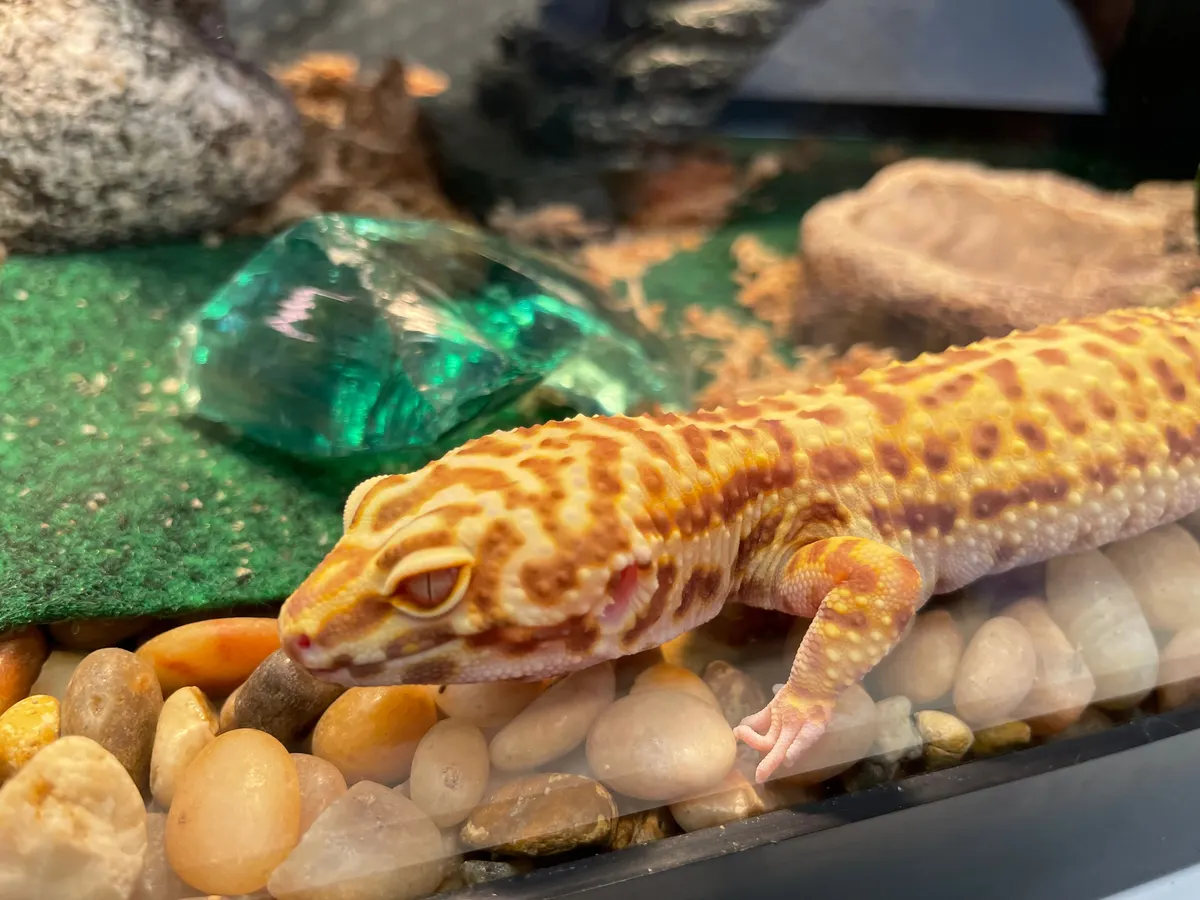
My first leopard gecko came from a reptile expo folding table, cash in an envelope, no paperwork beyond a hand-written care sheet. She lived eleven years. A friend of mine bought hers from an online marketplace seller with glowing feedback and a clean shipping record, and that gecko turned out to be carrying crypto that took out half his collection over the next year. Neither story proves anything about expos versus online sellers in general. It proves that the venue matters less than you think, and the individual seller matters more.
That’s the real question behind “where to buy a leopard gecko”: not which channel is safest in the abstract, but how to tell a good seller from a bad one wherever you’re shopping, and which specific risk is worth losing sleep over.
Where can you actually buy a leopard gecko?
Four realistic options: a specialist breeder (in person or shipped), a big-box or independent pet store, an online reptile marketplace, and a reptile expo. Each one can produce a healthy gecko. Each one can also produce a sick one. What changes is how much information you get before you commit.
A breeder who’s been doing this for years can usually tell you the exact hatch date, the parent animals, what the gecko has been eating, and whether anything in their collection has had health problems recently. A pet store counter usually can’t, because the staff member ringing you up didn’t raise the animal. An online marketplace splits the difference: you don’t meet the seller in person, but platforms built specifically for reptiles (MorphMarket is the biggest one) give you seller ratings, written feedback, and a paper trail if something goes wrong.
How much does a leopard gecko cost?
Less than most people expect, until morphs enter the picture. A standard “normal” hatchling runs $20 to $40 from a breeder or online, sometimes less at a pet store. Common morphs, blizzard, mack snow, and tangerine lines, land in the $60 to $150 range. Giant and super giant lines run $100 to $200. Rare or combo morphs climb fast: firewater and redstripe animals often sell for $200 to $400, and genuinely rare designer lines can hit $500 to $1,000 or more.
Age changes price too. A hatchling costs less than a proven adult of the same morph, sometimes by a factor of three to five, because the adult has already cleared the fragile first year and its exact pattern and size are locked in rather than a guess.
For the full first-year cost picture, tank, lighting, and feeding included, see our leopard gecko starter kit checklist.
What should you check before you pay anything?
A few minutes of homework catches most bad sellers before money changes hands.
Look at how long the seller has been active and whether they have a track record you can actually verify, not just a join date. A profile with real feedback, consistent photos across multiple listings, and some presence outside the sale itself (a website, an active forum history, mentions in breeder groups) tells you more than any single glowing review. A brand-new account selling a high-end morph at a bargain price is the single most common setup for a scam, because it combines no track record with a deal that’s designed to make you stop thinking it through.
Check that the animal in the photo actually matches the listing: species, morph, age, and size. Watch for stuck shed, a visibly thin tail base, or a body that looks underweight for its stated age, these are the same red flags that matter at a pet store counter or an expo table. If a seller won’t send a current photo or a quick video on request, that’s a answer in itself.
Read the seller’s actual policy on health guarantees, shipping risk, and refunds before you buy, not after something goes wrong. If a marketplace has a default policy that applies when a seller doesn’t post their own, read that too. Pay with a card or a payment method that offers buyer protection. A request to pay through an unprotected transfer, or to move the conversation off the platform entirely, is a reason to walk away, not a quirk to shrug off.
Is it safe to buy a leopard gecko online and have it shipped?
Yes, with conditions. Reputable sellers ship live reptiles overnight through FedEx or UPS Priority Overnight, never standard mail, and they build the shipment around the weather at both ends rather than a fixed schedule. A seller who offers to ship USPS, or who’ll ship into a weather window a breeder would normally hold for, is cutting a corner that can kill the animal in transit.
Photograph the unboxing the moment the box arrives, the shipping label included, before you even open the bag inside. If the gecko arrives cold, lethargic, or visibly unwell, contact the seller immediately. Most reputable sellers have a live-arrival guarantee, but it usually has a short window, sometimes just an hour or two, so waiting a day to report a problem can forfeit it.
What is crypto, and why does it matter more here than other health risks?
Cryptosporidiosis, usually just called “crypto,” is the one leopard-gecko-specific risk worth knowing about before you buy, because it’s incurable, highly contagious between geckos, and can sit quietly in a carrier animal for months before symptoms show. It spreads mainly through contaminated feces, including feeder insects that have eaten an infected gecko’s waste and then get fed to another animal. That’s how one infected gecko in a breeding operation can spread the parasite through dozens of animals before anyone notices.
Watch for persistent or runny stool, steady weight loss, and “stick tail”, a tail that thins out at the base while the gecko otherwise looks normal. None of these are exclusive to crypto, but any of them is a reason to ask the seller directly whether the animal or its collection has a crypto history, and whether it’s been tested. A seller who tests routinely and shares results isn’t being paranoid, they’re doing the one thing that actually catches this early. For more on how it spreads and why it’s such a headache for breeders, Gecko Time’s writeup on a crypto outbreak is a useful read before you buy from anyone with a large collection.
Quarantine is your backstop even with a clean-sounding seller, because a single negative fecal test doesn’t rule it out, an infected gecko doesn’t always shed the parasite the day it’s tested.
What about reptile expos?
Expos put dozens of sellers in one room, which makes them genuinely useful for comparison shopping, you can see several animals of the same morph side by side before deciding. Bring cash in small bills and set a budget before you walk in, since tables full of animals you weren’t planning to buy are exactly how impulse purchases happen. Check each individual gecko the same way you would online: alert, round-bodied, no stuck shed, no thin tail base, moving normally when the table is lightly jostled.
Have your enclosure fully set up and running at the right temperature before you go. A gecko that spends its first few hours in a deli cup while you shop for a tank is starting its life with you more stressed than it needs to be.
Where to buy a leopard gecko: the comparison
| Source | Typical price | Selection | Information you get | Best for |
|---|---|---|---|---|
| Specialist breeder | $20 to $150, rare morphs $200 to $1,000+ | Narrow at any one time, best for specific morphs | Hatch date, parentage, feeding and health history | Buyers who want a specific morph or genetics |
| Online marketplace | $20 to $400+ | Very wide, searchable by morph | Seller ratings, written feedback, platform-backed policy | Buyers who want to compare sellers before committing |
| Pet store | $20 to $60 | Whatever’s in stock that week | Usually little to none about the individual animal | Convenience, same-day pickup |
| Reptile expo | $20 to $200, wide morph range | Dozens of sellers in one place | Only what you ask for and can see yourself | Comparison shopping, checking animals in person |
Red flags that mean you should walk away
Photo: JL Johnson, CC BY 2.0, via Wikimedia Commons
A short list covers most of what goes wrong, regardless of where you’re buying. Skip any gecko with sunken eyes, a visibly concave or “sticktail” tail base, stuck shed around the toes or eyes, retained skin that’s been there more than a day or two, or persistent diarrhea. A healthy leopard gecko is round-bodied with a plump tail, moves with purpose rather than dragging itself, and reacts when you tap near the enclosure.
On the seller side, be cautious of a brand-new account selling high-end morphs, pressure to decide fast, insistence on payment outside the platform’s protected methods, prices well below what the same morph sells for everywhere else, and vague or evasive answers about feeding and health history. None of these alone is a guaranteed scam, but two or three together are a pattern worth walking away from.
What do you do the first few weeks after the gecko arrives?
Quarantine, even if it’s your only reptile. Set up a simple tank with paper towel substrate instead of loose substrate so you can actually see what’s in there, a basic hide, and a shallow water dish, and use tools you don’t share with any other animal. Most experienced keepers quarantine new arrivals for at least 30 days, longer if you already keep other reptiles in the house, and schedule a fecal exam with an exotics vet during that window rather than after it.
Keeper's pick: Ventilated Reptile Travel Carrier

Whether you're picking up a gecko in person or need something safe for that first vet trip during quarantine, a hard-sided, ventilated carrier beats a deli cup or a cardboard box. It keeps the animal from sliding around in the car and holds up for repeat use.
The short version
- Where to buy a leopard gecko matters less than which specific seller you’re buying from. Breeders, online marketplaces, pet stores, and expos can each produce a healthy animal or a sick one.
- Standard hatchlings run $20 to $40. Common morphs run $60 to $150. Rare and designer morphs run $200 to $1,000 or more.
- Vet an online seller before paying: check their track record, verify the photo matches the listing, and read the health guarantee and refund policy up front.
- Reputable sellers ship live geckos overnight through FedEx or UPS, never standard mail, and offer a short live-arrival guarantee window, so inspect the animal the moment it arrives.
- Crypto (cryptosporidiosis) is the one leopard-gecko-specific risk worth asking about directly: it’s incurable, spreads through feces and feeder insects, and can hide in a carrier animal for months.
- Quarantine every new gecko for at least 30 days with simple, easy-to-clean housing, and get a fecal exam from an exotics vet during that window.
Once you’ve picked a source, our leopard gecko starter kit checklist covers exactly what to have set up before the gecko gets home, and leopard gecko care for beginners is the full getting-started guide if this is your first one. Still deciding between species entirely? We compared the two most common beginner picks head to head in bearded dragon vs leopard gecko, and our bearded dragon buying guide covers the same breeder-versus-pet-store question for that species.
For more on vetting an online reptile seller before you buy, see MorphMarket’s community guide to judging a seller, and for background on how crypto spreads through gecko collections, see Gecko Time’s account of a crypto outbreak.