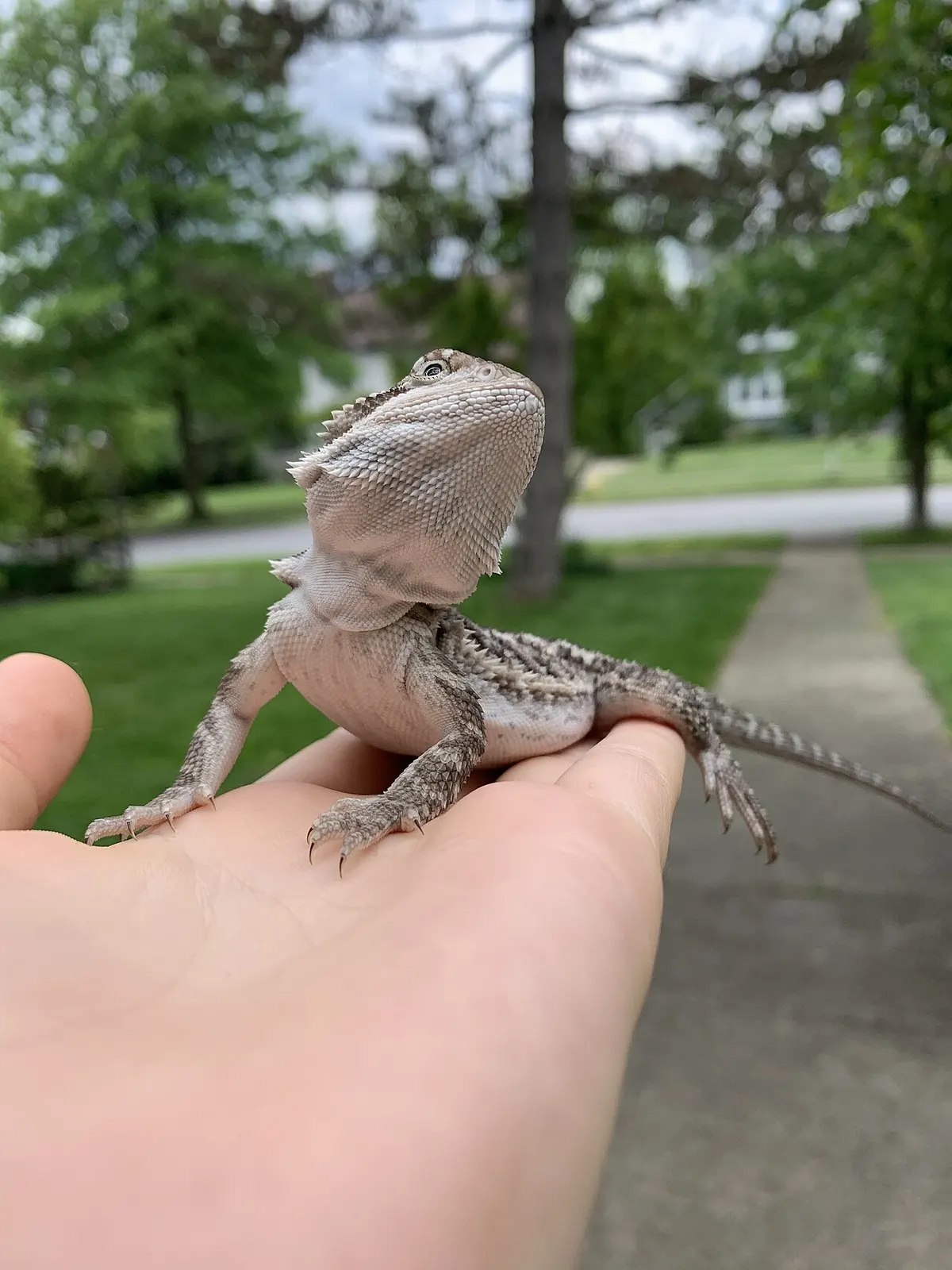
I bought my first bearded dragon from a big-box pet store because it was the only option I knew existed. She turned out healthy and lived nine years. My second dragon came from a local breeder, cost about the same, and arrived already eating greens without a fight. Neither experience tells you which source is “better.” What actually predicts your first-year vet bills is how the animal was raised before you met it, not which kind of building you walked into.
That’s the real question behind “bearded dragon breeder vs pet store”: not which label is trustworthy, but which specific seller, in front of you right now, raised a healthy animal. Here’s how to tell, plus the two options most beginner guides skip entirely.
Is it better to buy a bearded dragon from a breeder or a pet store?
Breeders win on average, pet stores win on convenience, and both claims are true at the same time. A dedicated breeder usually raises hatchlings in smaller, more controlled groups, feeds a more consistent diet from day one, and can tell you the exact hatch date, parents, and any health history. That consistency is why breeder dragons tend to arrive better established and easier to start on food.
A pet store dragon isn’t automatically worse. Big chains buy from large commercial breeding operations, and a local independent pet store sometimes buys from the same small breeders you’d find at an expo. The animal’s history matters more than the storefront. Ask who the store’s supplier is. A blank stare is a worse sign than the answer itself.
How much does a bearded dragon cost from a breeder vs a pet store?
Pricing overlaps more than people expect. A standard wild-type juvenile runs $30 to $100 whether you’re at a breeder’s table or a pet store counter. Specialty morphs, translucent, zero, leatherback combinations, climb past $200 and can hit $500 or more, and those are almost always breeder-only since big chains rarely stock rare morphs. Adoption through a reptile rescue typically runs $50 to $100, often less than either option once you account for the fact that the animal usually comes already past the fragile hatchling stage.
For the full first-year math, tank, lighting, and feeding included, see our bearded dragon cost of ownership breakdown.
What you get from a breeder that’s harder to find elsewhere
A good breeder gives you three things a pet store counter usually can’t: a feeding history, a straight answer about parentage and genetics, and someone to call in six months when you have a question. That last one is underrated. When my second dragon stopped eating at four months, I texted the breeder a photo and had an answer in twenty minutes. A chain store return desk isn’t set up for that conversation.
Finding one isn’t hard. Reptile expos (Repticon and similar regional shows are the biggest) put dozens of breeders in one room. Online marketplaces built specifically for reptile breeders let you filter by species and read seller feedback before you ever show up. Local reptile clubs and your nearest exotics vet can usually point you toward breeders with a good local reputation, which is worth more than any star rating.
When a pet store dragon is genuinely fine
Plenty of pet store dragons grow into perfectly healthy adults. What you’re really buying is convenience: same-day pickup, a return policy, and staff who (sometimes) can answer basic care questions on the spot. If the tank is clean, the animal is alert, and the staff can tell you roughly how the dragon has been fed and housed, there’s no reason to drive two hours to a breeder instead.
The risk with pet stores isn’t the source, it’s volume. A store moving a lot of animals through a small staff has more chances for a sick or stressed dragon to slip past inspection before it reaches the sales floor. Spend the extra five minutes checking the animal yourself rather than trusting the tank card.
What about reptile expos?
Expos are the option most beginner guides skip, and they shouldn’t. A single show puts you in front of more breeders than you’d meet driving around for a month, and you can compare animals side by side before buying anything. Bring cash in small bills rather than a card, since cash makes it easier to stick to a budget and walk past a table instead of impulse buying. Walk the floor once before you decide on anything, then go back to the table you liked best. Don’t handle every animal you pass, since handling makes you more likely to buy on the spot instead of thinking it over.
Set your enclosure up completely before you go. Showing up without a tank ready at home means the dragon sits in a travel carrier longer than it needs to, and it removes the temptation to buy on impulse before you’re actually prepared.
Should you adopt a rescue bearded dragon instead of buying one?
It’s worth considering, and it’s not the easy option some guides make it sound like. Rescue dragons often come from neglect: low body weight, missing toes or tail tips from old injuries that won’t regrow, or bone deformities from metabolic bone disease that never got treated. A reputable 501(c)(3) reptile rescue will tell you this upfront rather than hide it.
What you’re trading for a lower price and a second-chance animal is a longer settling-in period. Expect one to two weeks of defensive behavior, glass surfing, puffing, hiding, before a rescue dragon starts to trust a new routine, and expect to budget for a vet visit sooner rather than later. Rescues are a genuinely good option for a keeper who already has some bearded dragon experience. They’re a harder first pet than a captive-bred hatchling from a breeder.
Where to buy a bearded dragon: the comparison
| Source | Typical price | Selection | Health odds | Best for |
|---|---|---|---|---|
| Specialist breeder | $30 to $100, morphs $200 to $500+ | Narrow at any one time, best for specific morphs | Usually highest, consistent husbandry history | Buyers who want a specific look or genetics |
| Big-box pet store | $30 to $80 | Whatever’s in stock that week | Variable, depends on that store’s turnover and care | Convenience, same-day pickup |
| Reptile expo | $30 to $150, wide morph range | Dozens of breeders in one place | High if you check each animal yourself | Comparison shopping, first-time breeder buyers |
| Reptile rescue | $50 to $100 | Whatever’s currently surrendered | Lower on arrival, improves with care | Experienced keepers ready for a project animal |
Red flags that mean you should walk away, no matter where you’re standing
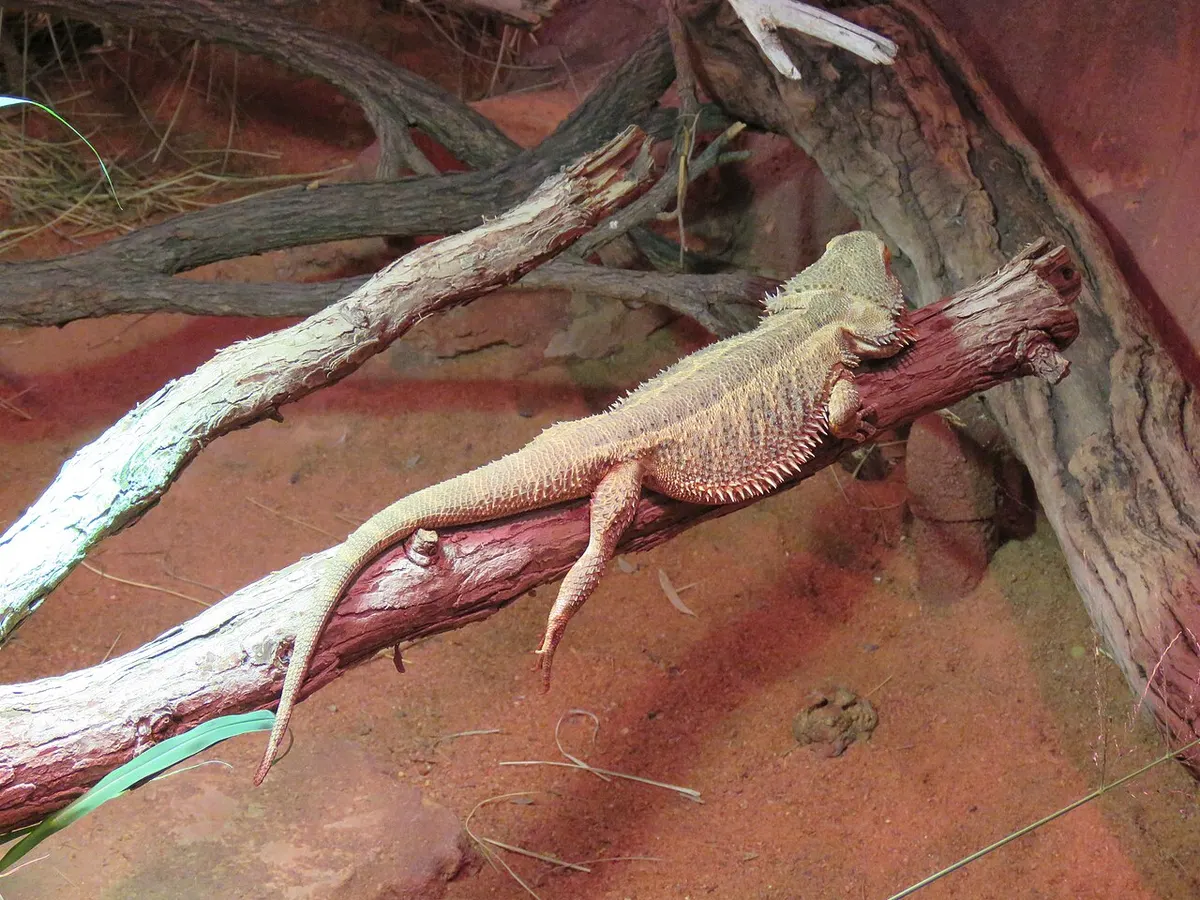
Photo: Calistemon, CC BY-SA 4.0, via Wikimedia Commons
A handful of warning signs matter more than the venue. Skip any animal with a visibly skinny body or loose skin, sunken eyes, a tail that looks thin at the base instead of plump, or cloudy, cottage-cheese-looking discharge in the mouth. Lethargy is a red flag too, a healthy dragon lifts its head and tracks movement when you approach the enclosure, it doesn’t sit flat and ignore you.
Missing toes, old scarring, or a kinked tail aren’t automatic dealbreakers, especially from a rescue, but they’re a reason to ask direct questions about the animal’s history rather than assume it’s fine. And regardless of where you buy, plan on a wellness exam with a reptile-savvy exotic vet within the first week or two to catch parasites or early illness before they become expensive problems. For specific warning signs tied to one of the most common post-purchase issues, see our guide on bearded dragon not eating.
What do you do the first two weeks after bringing one home?
Quarantine, even if you don’t have other reptiles. A newly acquired dragon can be carrying mites, parasites, or early-stage illness that hasn’t shown obvious symptoms yet, and a slower, calmer introduction period gives it a better shot at settling in without added stress. Most care guides recommend a minimum of 30 days of quarantine in a simple, easy-to-clean setup, longer if you already keep other reptiles in the house.
Keep the quarantine tank simple: paper substrate instead of loose material so you can actually see what’s in there, a basic hide, a shallow water dish, and dedicated tools you don’t use on any other animal. Schedule that first vet exam and fecal test during this window rather than after it.
Keeper's pick: Ventilated Reptile Travel Carrier

Whatever you buy, you need something safer than a cardboard box for the ride home. A hard-sided, ventilated carrier keeps the animal from sliding around in the car, and you'll use it again for the first vet visit a week or two later, so it's not a one-trip purchase.
The short version
- Bearded dragon breeder vs pet store comes down to the individual animal’s history more than the type of seller, ask who raised it and how.
- Standard juveniles run $30 to $100 at either a breeder or a pet store; rare morphs run $200 to $500+ and are almost always breeder-only.
- Reptile expos put many breeders in one place for easy comparison shopping, bring cash and set your enclosure up before you go.
- Rescue adoption runs $50 to $100 but often means a longer settling-in period and likely vet care early on, better suited to an experienced keeper.
- Red flags, a skinny body, sunken eyes, a thin tail base, cloudy mouth discharge, or lethargy, matter more than where the animal came from.
- Quarantine for at least 30 days and get a vet exam with a fecal test in the first one to two weeks, regardless of source.
Once you’ve settled on a source, the equipment list is the next decision, our first-time reptile owner checklist covers exactly what to have ready before the dragon comes home. And if you’re still weighing bearded dragon against the other common beginner pick, we compared the two head to head in bearded dragon vs leopard gecko.
For veterinary background on evaluating a reptile’s health before purchase, see VCA Animal Hospitals’ guide to bearded dragon ownership, and for a detailed quarantine walkthrough, see Zen Habitats’ bearded dragon quarantine guide.