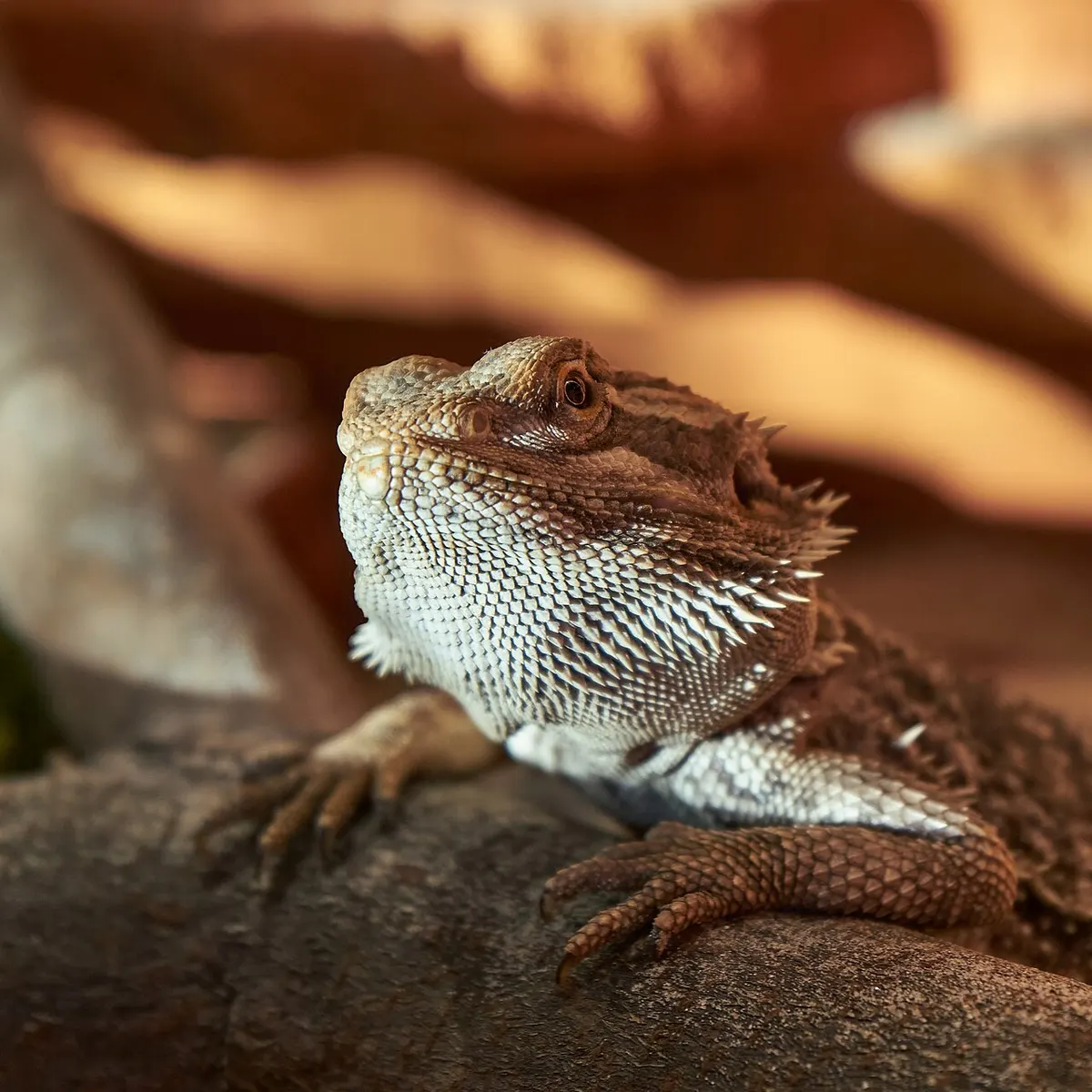
The dragon itself is the cheapest part. I mean that. People budget $60 for a baby bearded dragon and then get blindsided by the tank, the bulbs, and the electric bill three months later. Bearded dragon cost of ownership is really a story about equipment and upkeep, not the animal you’re buying it for.
I put this together by cross-checking several current care guides and retailer listings, not by pulling numbers out of thin air. Treat everything below as a researched range, not a quote. Your actual total will depend on where you shop and how much you already own.
How much does a bearded dragon cost to buy?
A baby bearded dragon from a pet store or local breeder typically runs $30 to $100. Rarer morphs (translucent, zero, leatherback combos) can push past $200 to $500. Adoption through a reptile rescue is often $50 to $100 and comes with an animal that’s already past the fragile hatchling stage, which I think is underrated for a first-time keeper.
Do not buy the cheapest dragon you find. A $20 dragon from a bad setup at a swap meet can turn into $800 in vet bills by month two. Price the animal last, after you’ve priced the enclosure.
Where you buy matters more than what you pay. A reptile expo or a specialist breeder usually means an animal that was raised on proper UVB and a varied diet from hatching, which lowers your odds of an early vet visit. A big-box pet store dragon isn’t automatically worse, but it’s worth asking how the animal was housed before you brought it home, since that history is a better predictor of your first-year vet costs than the purchase price is.
What does a bearded dragon setup cost upfront?
This is where the real money goes. A proper juvenile-to-adult setup includes a tank, basking and UVB lighting, a thermostat, substrate, and hides or climbing decor. Most researched guides put full initial setup somewhere between $150 and $600, with $250 to $350 being a realistic middle ground for a 40 gallon breeder tank and mid-range equipment.
Buying piecemeal from five different listings almost always costs more than a bundled starter kit, because you end up paying retail markup on every single piece plus shipping five times over.
Bearded dragon cost of ownership: the first year budget table
Here’s the researched breakdown, gathered from current pet-cost guides and listings. These are ranges, not settled prices, so use them to build a buffer rather than a fixed number.
| Category | Estimated cost | Notes |
|---|---|---|
| The dragon | $30 to $100 (up to $500 for rare morphs) | Price this last, not first |
| Enclosure (tank or PVC) | $50 to $200 | 40 gallon minimum for a juvenile, bigger for an adult |
| Lighting and heating | $60 to $200 | UVB bulb, basking bulb, thermostat, fixtures |
| Substrate and decor | $30 to $150 | Hides, climbing branches, background, non-loose substrate |
| Feeding, monthly | $15 to $40 | Live insects plus greens, more for juveniles eating daily |
| Electricity, monthly | $5 to $12 | Two bulbs running 10 to 12 hours a day |
| Vet or emergency fund | $500 to $1,000 set aside | Routine exams run $75 to $150; real treatment can hit $800+ |
Add it up and a realistic first year, dragon plus setup plus twelve months of feeding and power, lands somewhere between $900 and $1,800 if nothing goes wrong medically, and that’s before you touch the emergency fund line.
How much does a bearded dragon cost per month once it’s set up?
Once the initial gear is bought, ongoing bearded dragon cost of ownership drops a lot. Expect $20 to $50 a month combining food and electricity for a typical adult. Juveniles cost more to feed because they eat insects daily instead of every other day, so budget toward the higher end of that range for the first six months.
Substrate and bulb replacement adds a periodic cost, not monthly. UVB bulbs lose effective output long before they burn out, and most guides recommend replacing them every 6 to 12 months regardless of whether they still light up. Budget $20 to $30 per replacement, roughly twice a year.
How much electricity does a bearded dragon tank use?
Less than most new keepers assume. A basking bulb and a UVB bulb running 10 to 12 hours a day typically add somewhere between $5 and $12 a month to your electric bill, based on current per-kWh rates and common bulb wattages in the 75 to 150 watt range for basking and 15 to 40 watt for UVB. A thermostat that cuts power once the tank hits temperature keeps you toward the lower end.
What ongoing costs do people forget to budget for?
The line items above cover the obvious stuff. A few smaller costs sneak up on almost every new keeper and don’t show up in the headline “how much does a bearded dragon cost” numbers.
Calcium and vitamin D3 powder for dusting feeder insects runs about $8 to $15 a bottle and lasts a few months, but it’s a recurring line, not a one-time buy. Gutload or fresh produce to feed your feeder insects before you feed them to your dragon adds another few dollars a month if you’re buying live crickets or dubia roaches instead of raising your own colony.
Replacement decor is the other sneaky one. Bearded dragons climb, dig, and occasionally knock over anything not bolted down, so budget for a broken hide or a cracked food dish every so often, usually $10 to $20 to replace. None of this is expensive on its own. It’s just easy to forget when you’re only pricing the big-ticket items during setup.
Do I need a vet fund for a bearded dragon?
Yes. This is the line new keepers skip and the one that bites hardest. Routine wellness exams at an exotic vet run roughly $75 to $150. That’s the easy part. Real problems cost real money: a respiratory infection is commonly $200 to $500 to treat, metabolic bone disease can run $300 to $800, and impaction requiring surgery has been reported at $800 to $2,000 in current cost guides.
None of these are rare, freak-accident conditions. They’re the top three reasons bearded dragons see a vet at all, and they’re mostly caused by setup mistakes, wrong temperatures, wrong diet, wrong substrate, that a $1,000 emergency fund would have made a lot less stressful to fix.
Is a bearded dragon actually a cheap pet?
Compared to a dog or cat, yes, in raw dollars. Compared to what most people expect walking into a pet store, no. The upfront setup catches people off guard, and the vet costs catch them off guard a second time around month four or five when something in the husbandry wasn’t quite right. Bearded dragon cost of ownership is manageable if you budget for the tank and the fund before you budget for the animal, and it’s a nasty surprise if you don’t.
Dragons also live 8 to 12 years with good care, so year one is the expensive year, not the typical one. Once the enclosure and lighting are paid for, you’re mostly looking at feeding, electricity, and the occasional bulb swap. That’s the part that actually makes them a reasonable long-term pet on a budget, as long as you don’t skip the fund in year one to save $500 up front.
The short version
- A baby bearded dragon typically costs $30 to $100, with rare morphs running $200 to $500.
- A full initial setup, tank, lighting, substrate, and decor, typically runs $150 to $600, with $250 to $350 being a common middle ground.
- Monthly feeding costs roughly $15 to $40, more for juveniles eating daily.
- Monthly electricity for basking and UVB bulbs typically adds $5 to $12 to a power bill.
- UVB bulbs need replacing roughly every 6 to 12 months even if they still light up, at $20 to $30 each.
- Routine exotic vet exams run about $75 to $150; treating common issues like respiratory infection or impaction can run $200 to $2,000.
- A realistic first year total, animal plus setup plus twelve months of upkeep, lands around $900 to $1,800 before any vet emergencies.
- Setting aside $500 to $1,000 as a dedicated vet fund is standard advice across current bearded dragon care guides.
For more on what that ongoing cost actually buys you day to day, see our guide on how to take care of a bearded dragon. If you’re still deciding which reptile fits your budget, we compared the two most common beginner picks in bearded dragon vs leopard gecko. And since enclosure size is the single biggest line item above, it’s worth reading our bearded dragon tank size guide before you buy one.
For veterinary background on common bearded dragon health problems referenced above, see VCA Animal Hospitals’ overview of bearded dragon diseases.