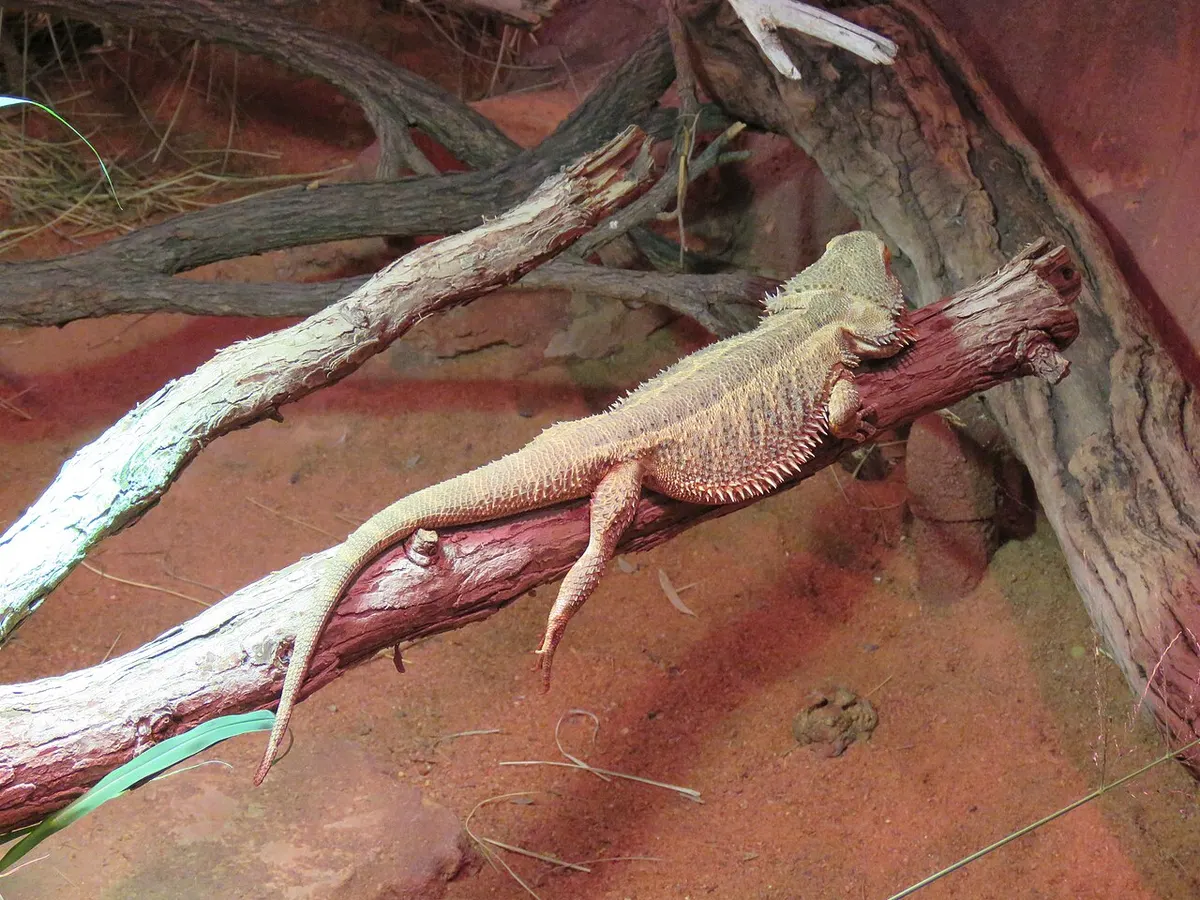
The first time my dragon skipped three meals in a row, I was convinced I’d done something wrong. I’d changed the substrate that week, so obviously that was it, right? It wasn’t. It was shedding, and by day five she was back to inhaling roaches like nothing happened. I still checked her temps and UVB bulb before I let myself relax, and that’s the habit I want to hand you here.
Bearded dragons skip meals for a lot of reasons, and most of them are boring. A few of them aren’t. The trick is knowing which four things to check before you either panic or shrug it off.
Is This Normal, or a Real Problem?
Short version: if your dragon is otherwise active, has normal weight at the base of the tail, and is passing normal stool, a few days off food is usually nothing. If she’s also lethargic, sunken-eyed, losing weight, or hasn’t eaten in over a week (sooner for a baby or juvenile), that’s your cue to get an exotics vet involved rather than keep waiting it out.
Normal, low-stress reasons an adult bearded dragon slows down or stops eating for a stretch:
- Shedding, which dulls appetite for a few days at a time
- Seasonal brumation, usually late fall through winter
- A recent habitat change, new tankmate, or move to a new enclosure
- Being an adult, since adults naturally eat far less often than babies
Reasons that need attention rather than patience:
- Basking or ambient temperatures outside the right range
- A UVB bulb that’s still lighting up but no longer putting out usable UVB
- Possible impaction, parasites, or a mouth/tooth problem
- Dehydration or a calcium and vitamin D3 imbalance
How Long Can a Bearded Dragon Go Without Eating?
This depends heavily on age. A baby that’s grown for months hasn’t built the fat reserves an adult has, so a missed day matters more.
| Life stage | Normal feeding frequency | When to worry |
|---|---|---|
| Baby (0 to 4 months) | Daily | Skipping more than 1 to 2 days |
| Juvenile (4 to 12 months) | Daily to every other day | Skipping more than 3 to 4 days |
| Adult (12+ months) | Every 2 to 3 days | Skipping more than 1 to 2 weeks, or any weight loss |
| Brumating adult | Little to none for weeks at a time | Severe weight loss, or refusing water too |
The Four Things I Check First
Before I assume anything is wrong, I run through the same four checks in the same order every time. Most appetite mysteries get solved right here.
1. Temperatures, not vibes
A bearded dragon that’s too cold won’t digest food properly and instinctively stops wanting it, because eating without enough heat to digest can lead to serious problems. You want a basking spot in the 95 to 110°F range depending on age (babies run warmer), and a cool end around 80 to 85°F. Don’t guess by feel. A stick-on dial thermometer reads air temperature near the glass, not the actual basking surface, which is what your dragon’s body is reacting to.
Keeper's pick: Etekcity Infrared Thermometer Laser Temperature Gun

Point it at the actual basking surface and the cool-end floor and you get a real number in under a second, no waiting on a stick-on dial to catch up. This is the fastest way to rule temperature in or out as the cause, and it's a tool I'd want on hand for any reptile setup, not just this one.
2. How old is that UVB bulb, really?
This is the one people miss most. UVB fluorescent bulbs keep glowing visible light long after their actual UVB output has dropped off, so the bulb looks fine while doing almost nothing. Without usable UVB, a dragon can’t process calcium properly, and a body running low on calcium doesn’t prioritize appetite. Most linear UVB bulbs need replacing roughly every 6 to 12 months even if they never burn out, since UVB output fades well before visible light does. If you can’t remember the last time you swapped yours, that’s your answer.
Keeper's pick: Zoo Med ReptiSun 10.0 High Output UVB Bulb

This is a standard, well-reviewed choice for desert species that need strong UVB output, and it's sized for common 24-inch fixtures. Mark the install date on the base or your calendar the day it goes in, since "it still lights up" tells you nothing about whether it's still doing its job.
3. Age and the normal feeding slowdown
Go back to the table above. If your dragon is over a year old and skipping a day or two between meals, that alone isn’t a red flag, that’s the schedule working as intended. New keepers coming from a baby’s daily feeding routine are the ones most likely to mistake normal adult behavior for a problem.
4. What actually changed recently
New substrate, new decor, a new pet in the house, a tank move, even rearranging furniture in the room can all cause a stress-driven food strike that resolves in a few days on its own. Walk back through the last one to two weeks and see what’s different. If nothing changed and the temps and UVB check out, that points more toward brumation, shedding, or something worth a vet visit.
Brumation vs. Something Actually Wrong
Brumation is a natural, hibernation-like slowdown, usually triggered by shorter daylight hours in fall and winter. It’s easy to confuse with illness because the surface behavior looks similar.
| Sign | Points to brumation | Points to a problem |
|---|---|---|
| Season | Late fall through winter | Any time of year |
| Activity | Sluggish but still moves, basks briefly | Won’t move even when handled, unresponsive |
| Weight | Stable or very slow loss | Noticeable weight loss, thin tail base |
| Eyes | Normal | Sunken |
| Stool | May stop entirely | Abnormal color, watery, or straining without result |
| Duration | Weeks to a couple of months | Doesn’t resolve, or gets worse over days |
A dragon under a year old brumating for the first time, or brumating at all, is worth a quick vet check just to rule out illness, since true brumation is less common and less predictable in young dragons.
When It’s Time to Call an Exotics Vet
I’m not going to try to diagnose your dragon from an article, and neither should any care sheet. What I can tell you is when the checklist above stops being enough and a licensed exotics vet needs to take a look:
- No food for over a week in an adult, or over 2 to 3 days in a baby or juvenile
- Visible weight loss or a noticeably thin tail base
- Lethargy that doesn’t improve with correct temps
- Sunken eyes, discoloration, or swelling anywhere on the body
- Straining to pass stool, or stool that looks abnormal
- Any suspicion of impaction, parasites, or a mouth or tooth issue
None of these are things to wait out at home. A vet visit that turns out to be nothing costs you an afternoon. Waiting on something that wasn’t nothing costs a lot more.
What Not to Do When Your Dragon Skips Meals
Don’t force-feed by prying the mouth open, and don’t syringe-feed without guidance from a vet, since both can cause aspiration in a reptile that isn’t ready to eat. Don’t crank the basking temperature past the safe range trying to “motivate” appetite. And don’t keep offering the same food if boredom with a repetitive diet might be part of the picture, a little variety in feeder insects and greens sometimes does more than any other single change.
The Short Version
A bearded dragon skipping a few meals is usually shedding, brumation, or a recent change in the tank, and it resolves on its own within a few days to a couple of weeks depending on age and season. Before assuming the worst, check basking and cool-end temperatures with an actual thermometer, confirm the UVB bulb isn’t past its 6 to 12 month replacement window, and remember that healthy adults naturally eat only every 2 to 3 days. If your dragon goes over a week without eating as an adult (or a couple of days as a baby), loses visible weight, or shows lethargy, sunken eyes, or abnormal stool, skip the home troubleshooting and get to an exotics vet.
If you’re still building out the basics, our complete beginner’s guide to bearded dragon care covers the full daily routine, and our tank size guide will tell you if cramped quarters could be part of the temperature problem in the first place. For anyone still shopping for lighting and heating gear as part of a full setup, the enclosure kit roundup is a good next stop.